
Business Startup Ideas Dominating the Digital Era
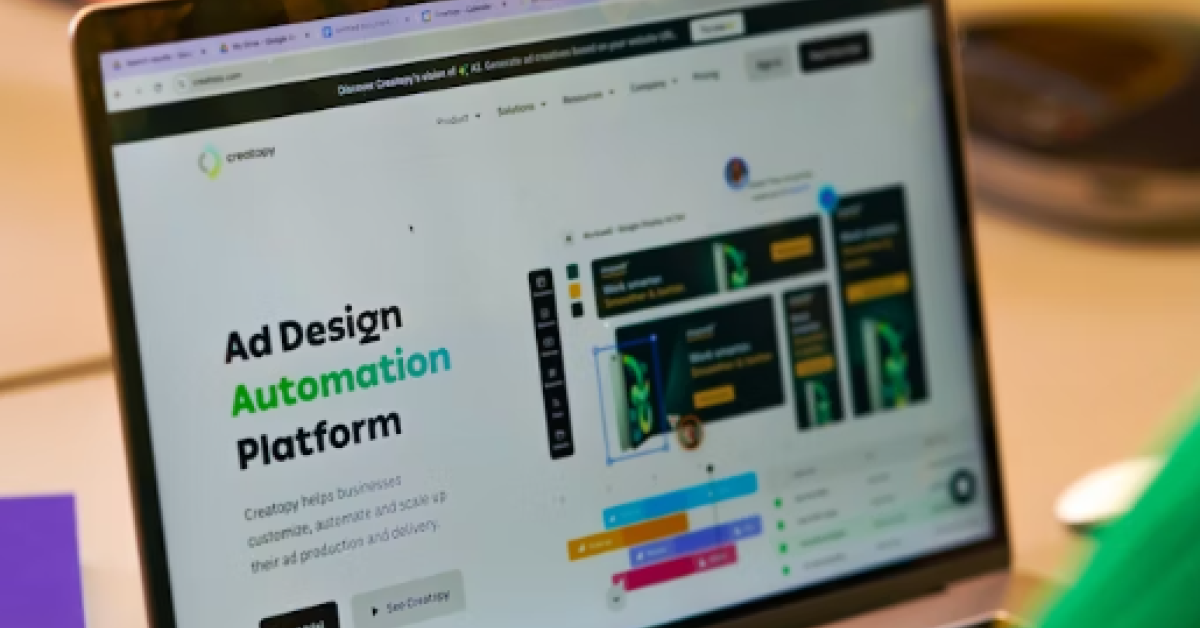
Laptop with Creatopy's website - an Ad Automation Platform.- Creatopy-https://unsplash.com/
Business Startup Ideas Dominating the Digital Era
Every decade rewrites the rules of business, but none have transformed the landscape as dramatically as the digital era. The modern startup no longer needs a skyscraper office, huge capital, or a fleet of employees—it needs innovation, purpose, and a solid Wi-Fi connection. The founders of today are digital natives, armed with algorithms, analytics, and audacity. In this connected world, creativity is currency, and ideas move faster than factories ever could.
The New Breed of Entrepreneurs
Gone are the days when starting a business meant opening a shop on Main Street. Today’s entrepreneurs launch from laptops, cafes, and co-working spaces. They design empires from their bedrooms and reach global audiences before their morning coffee cools. Technology has democratized opportunity—allowing one person with vision to compete with entire corporations.
But the digital boom also demands adaptability. Every startup idea must live where consumers already are: online, mobile, and interconnected. Success belongs not to the biggest players but to the quickest thinkers—those who sense cultural shifts before they trend on social media.
1. AI-Powered Niche Services
The AI revolution has opened infinite doors for startups. From personalized fitness coaches powered by machine learning to automated copywriting tools that speak in brand tone, AI is transforming how we create and deliver value. Entrepreneurs are carving niches by applying artificial intelligence to hyper-specific problems.
- AI tutors that adapt to a student’s learning style.
- AI content editors for creators and social media influencers.
- Predictive analytics tools for small e-commerce businesses.
Instead of competing with big tech, smart founders are integrating AI into vertical industries—education, design, healthcare, and sustainability—bringing intelligence to spaces that have long been overlooked.
2. Sustainable and Circular Commerce
The next generation of consumers doesn’t just buy products—they buy principles. The digital startup scene is witnessing a massive shift toward sustainability and circular economy models. From fashion brands that recycle old garments into new collections to online stores that reward customers for reusing packaging, green business is now smart business.
Startups are using digital tools to track carbon footprints, optimize resource efficiency, and educate their customers about impact. Sustainability has become the new scalability—measured not by profit alone, but by positive influence.
3. Creator Economy Platforms
Once upon a time, artists and writers needed publishers and studios. Today, they need an audience and a subscription button. Platforms like Patreon, Substack, and Gumroad have empowered millions of independent creators to build businesses around their passions. But the real innovation is happening beyond these giants—micro-startups that serve micro-creators.
Think of digital studios that help content creators manage sponsorships, analytics, and production. Or SaaS platforms built specifically for niche communities—like educators, game modders, or digital illustrators. The creator economy is a living ecosystem, and startups that build tools for it are thriving.
4. Microlearning and Knowledge-on-Demand
Education has entered the era of immediacy. People no longer enroll in long courses to learn—they want bite-sized knowledge, personalized and instantly applicable. This shift has sparked a wave of startups focused on microlearning: short, interactive lessons that teach one skill at a time.
- Platforms that teach negotiation or leadership through 5-minute lessons.
- Subscription-based learning communities built around mentorship.
- AI chatbots that serve as 24/7 study partners for professionals.
In the digital age, knowledge itself has become a product. The startups that master how to deliver it efficiently will define the future of learning.
5. Digital Wellness and Mental Health Platforms
As the world grows more connected, so do its anxieties. Mental health is no longer a niche conversation—it’s a global necessity. Startups in 2025 are using technology not to distract, but to heal. Digital wellness apps combine neuroscience, AI, and gamification to help users manage focus, stress, and emotional well-being.
Meanwhile, entrepreneurs are partnering with psychologists and UX designers to create digital spaces that encourage mindfulness instead of endless scrolling. The startup of the future doesn’t just sell a service—it restores balance in a restless world.
The Next Chapter of Digital Entrepreneurship
The digital era has made business more personal, accessible, and impactful. Success is no longer about scaling fast—it’s about scaling meaning. Entrepreneurs who blend technology with humanity, innovation with ethics, will define the next decade of growth. In this age of limitless possibility, the best business ideas don’t just solve problems—they reimagine the way we live.