
Business Technology Updates 2025: The Automation Shift No One Predicted
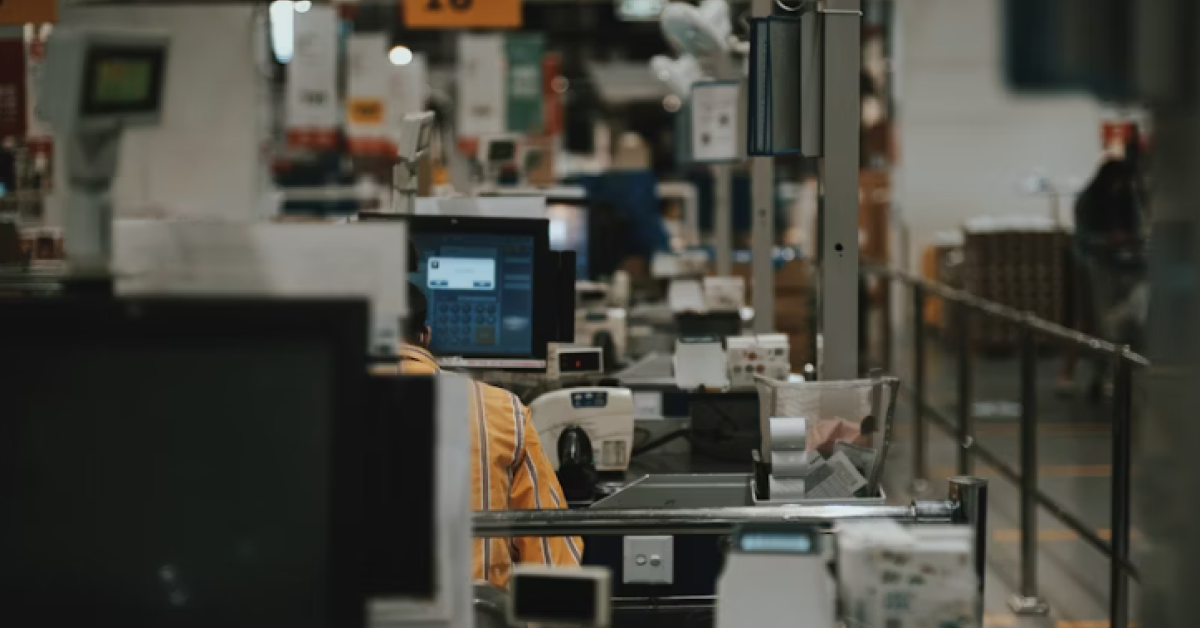
IKEA working days during The COVID-19-cestsibon-https://unsplash.com/
Business Technology Updates 2025: The Automation Shift No One Predicted
At the start of the decade, automation was a buzzword—promising efficiency, precision, and endless scalability. But in 2025, something remarkable happened: automation stopped being about replacing people, and started being about understanding them. The shift wasn’t predicted in any whitepaper or corporate forecast—it emerged quietly, born from burnout, global restructuring, and a hunger for meaning at work.
The Human-Centered Automation Revolution
Across industries, companies realized that pure automation had limits. Machines could optimize production lines, but they couldn’t inspire creativity or loyalty. The new wave of automation in 2025 isn’t about removing humans—it’s about amplifying them. From marketing analytics to customer service, systems are now learning to adapt to human behavior, not the other way around.
For instance, AI-driven workflow platforms no longer simply assign tasks—they interpret emotional tone in employee communications. If a team’s language shows fatigue or stress, the system adjusts deadlines or redistributes workloads. Automation has gone emotional, quietly rewriting the rules of business culture.
The Rise of Adaptive Algorithms
Today’s AI tools are not static. They evolve in real time, adjusting based on context, personality, and even mood. In 2025, adaptive algorithms are the new foundation of business infrastructure. They monitor not just performance metrics, but also *intent*—analyzing whether decisions stem from efficiency, risk avoidance, or innovation.
- Sales platforms predict not just what customers will buy, but *why* they buy.
- Finance software learns to flag ethical risks, not only numerical ones.
- Project management tools sense collaboration breakdowns before humans notice them.
This shift has blurred the line between machine intelligence and emotional intelligence. Businesses that once relied purely on numbers are now learning to trust signals of empathy, intuition, and context—metrics that can’t be measured by spreadsheets alone.
Automation Meets Empathy
One of the most striking transformations in 2025 is the integration of emotional data into automation. Retail chains are using facial recognition not for surveillance, but to gauge customer satisfaction in real time. HR departments employ sentiment-driven analytics to craft more humane performance reviews. Even logistics companies have adopted adaptive scheduling that respects work-life balance based on biometric feedback.
This isn’t science fiction—it’s survival. After years of digital fatigue and quiet quitting, organizations learned that emotional awareness isn’t a “soft skill.” It’s the only sustainable foundation for technological growth.
The Silent Winners of the Automation Shift
Interestingly, the biggest beneficiaries of the 2025 automation revolution aren’t tech giants—but small and mid-sized enterprises. Freed from legacy systems, they adopted flexible AI ecosystems that scale with creativity instead of capital. Local manufacturing hubs use AI-driven predictive supply chains to avoid waste. Independent agencies run campaigns powered by emotional AI, predicting human reactions better than any focus group ever could.
Automation has become democratized. It’s no longer about who has the most data—but who uses it most empathetically.
Redefining Work in the Age of Smart Systems
Perhaps the most profound outcome of this shift is the redefinition of “work” itself. As repetitive processes fade, employees are being re-trained as interpreters—translating between human creativity and algorithmic precision. The new workforce is hybrid not in terms of location, but cognition. A designer now collaborates with an AI that understands moodboards; a financial analyst debates ethical implications with predictive software.
Companies are building internal “AI etiquette” policies—guidelines for respectful collaboration between humans and machines. It’s a cultural transformation as much as a technological one.
From Efficiency to Empathy: The New Business Metric
The corporate language of 2025 is shifting. “Efficiency” is no longer the holy grail; “adaptability” and “emotional alignment” are. In quarterly reports, some firms now include “Human Experience Scores”—metrics that track employee wellbeing, customer trust, and ethical alignment. The idea is simple: technology that doesn’t serve people will eventually fail them.
This movement has redefined leadership KPIs and boardroom discussions. Automation is no longer a department—it’s a philosophy, one that sees humanity not as an obstacle to efficiency, but as its ultimate source.
The Unexpected Future of Automation
No one predicted that automation would become so deeply personal. What began as a race for productivity has evolved into a movement for empathy. As 2025 unfolds, business technology is no longer about doing more—it’s about doing better. Machines may handle the workload, but it’s human emotion that drives the system forward.